How did rice
come to
America?

1600s – 1800s
Carolina Gold & the tidal fields
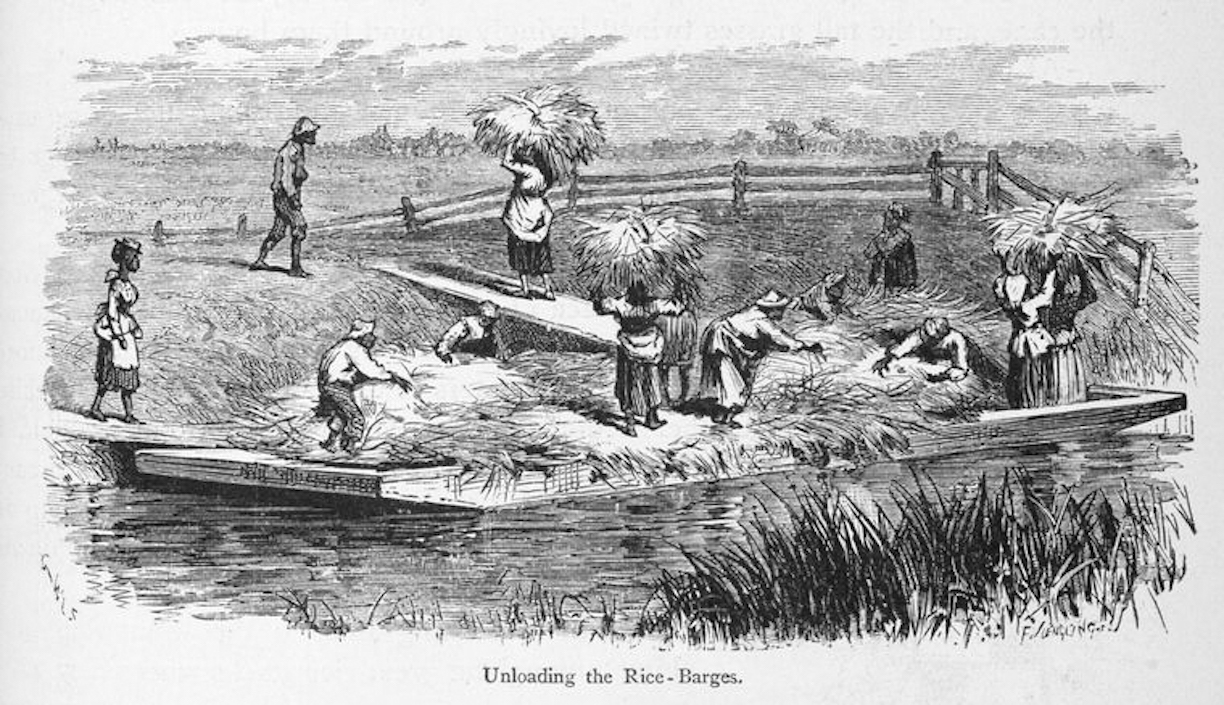
"Carolina Gold" rice made the Lowcountry one of the wealthiest regions in colonial America. The tidal rice fields were engineered with extraordinary precision, a system of floodgates, canals, and earthen banks stretching for miles along the rivers. But this wasn't European ingenuity. It was West African expertise.
Enslaved people, many brought specifically from the "Rice Coast" of West Africa in present-day Sierra Leone, Guinea, and Senegal, arrived with generations of knowledge in tidal cultivation. They knew how to read the land, manage water flow, and coax a harvest from coastal marshland that European planters had no idea how to farm. The entire agricultural system of the Lowcountry was built on the expertise of these people.
1865 – 1970s
Gullah Geechee foodways keep rice alive
The same people who built the most sophisticated agricultural system in colonial America also built the food culture the American South is famous for. Their rice, their techniques, their traditions carried from West Africa and kept alive through generations of Gullah Geechee cooking became the foundation of the Lowcountry table. Perloo, red rice, hoppin' john. When the plantation economy collapsed after the Civil War, the Gullah Geechee remained along the Lowcountry coast and the food endured with them, not as a remnant of what was taken, but as proof of what was always theirs.
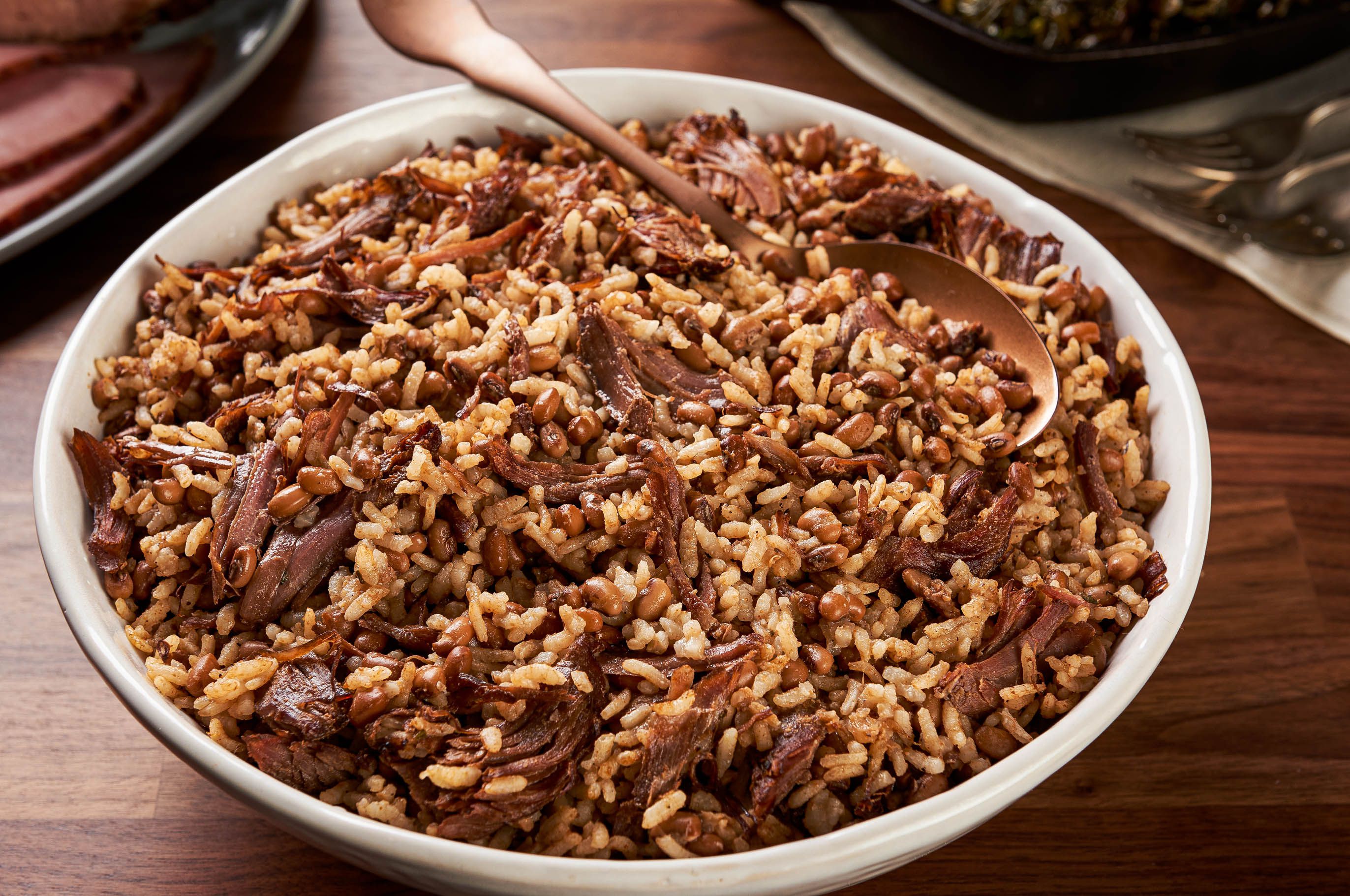
Ceremony · Tradition
Hoppin' John
The most culturally ceremonial. Eaten on New Year's Day across the entire South, but its roots are entirely Gullah. Black-eyed peas, the one-pot method, the tradition itself — all West African, kept alive by the Gullah Geechee.
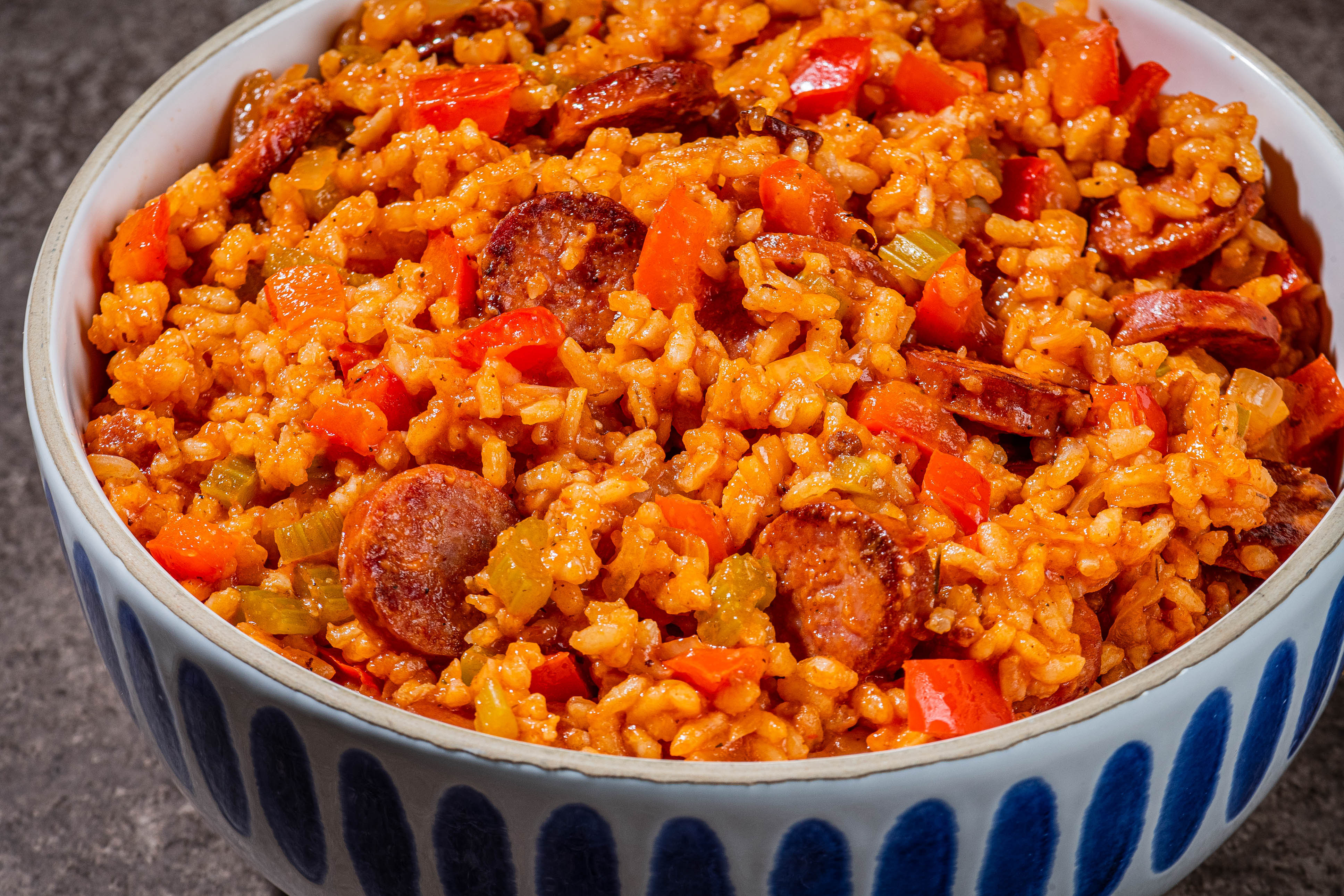
Origin · Direct Lineage
Red Rice
The most direct line from West Africa to the Lowcountry table. The connection to jollof rice is undeniable — it tells the whole migration story in a single dish.
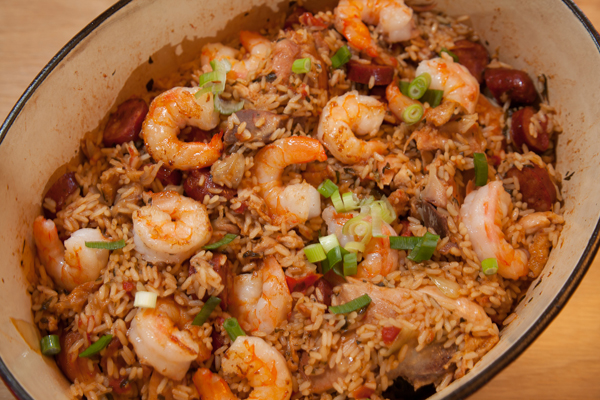
Resistance · Hidden in Plain Sight
Perloo
The least known outside the Lowcountry — which makes it the most authentically Gullah. It never got absorbed into mainstream Southern food, so it stayed closest to its origins. If you haven't heard of it, that's the point.
1980s – Today
The Carolina Gold revival
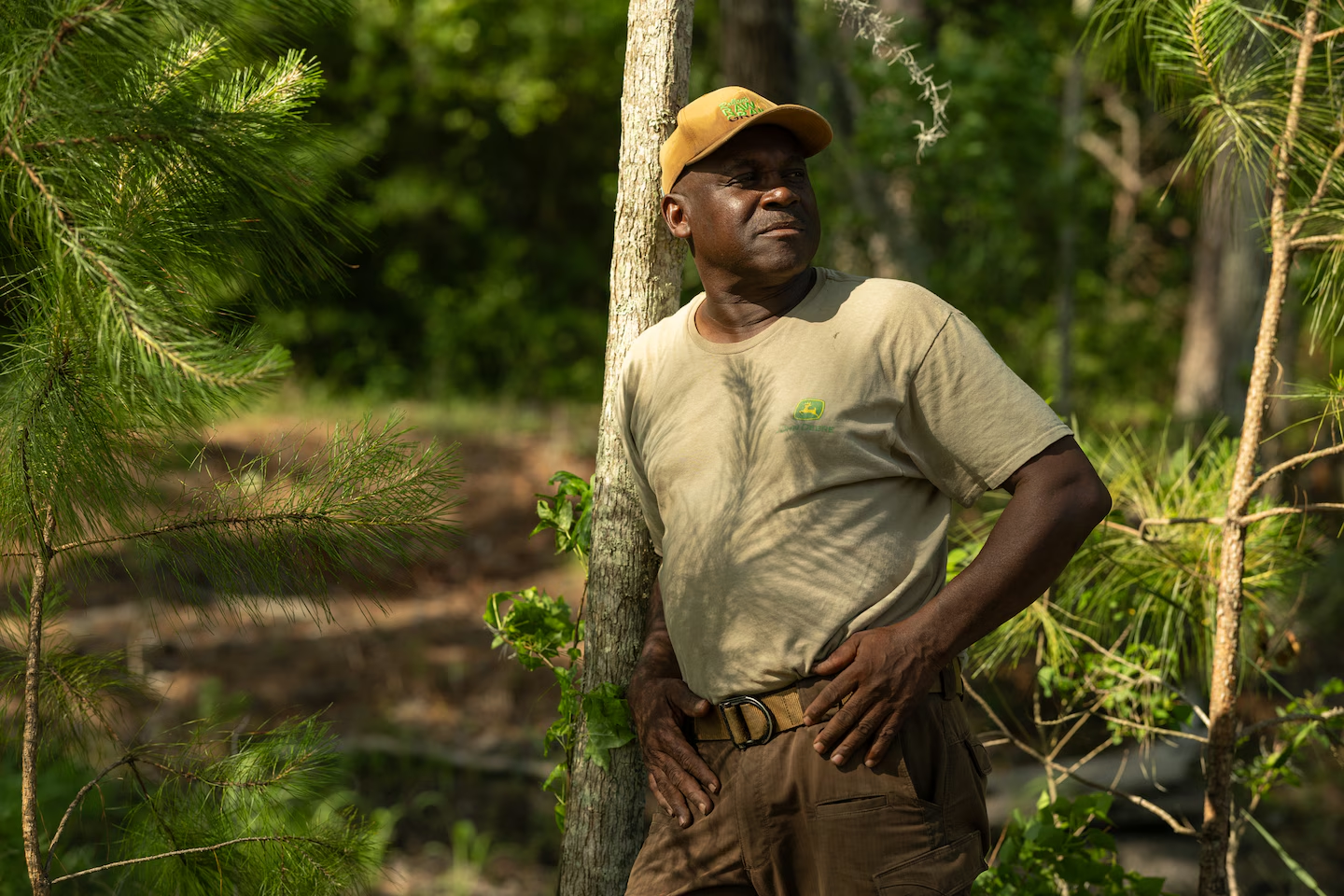
Rollen's RAW Grains of Hardeeville, SC
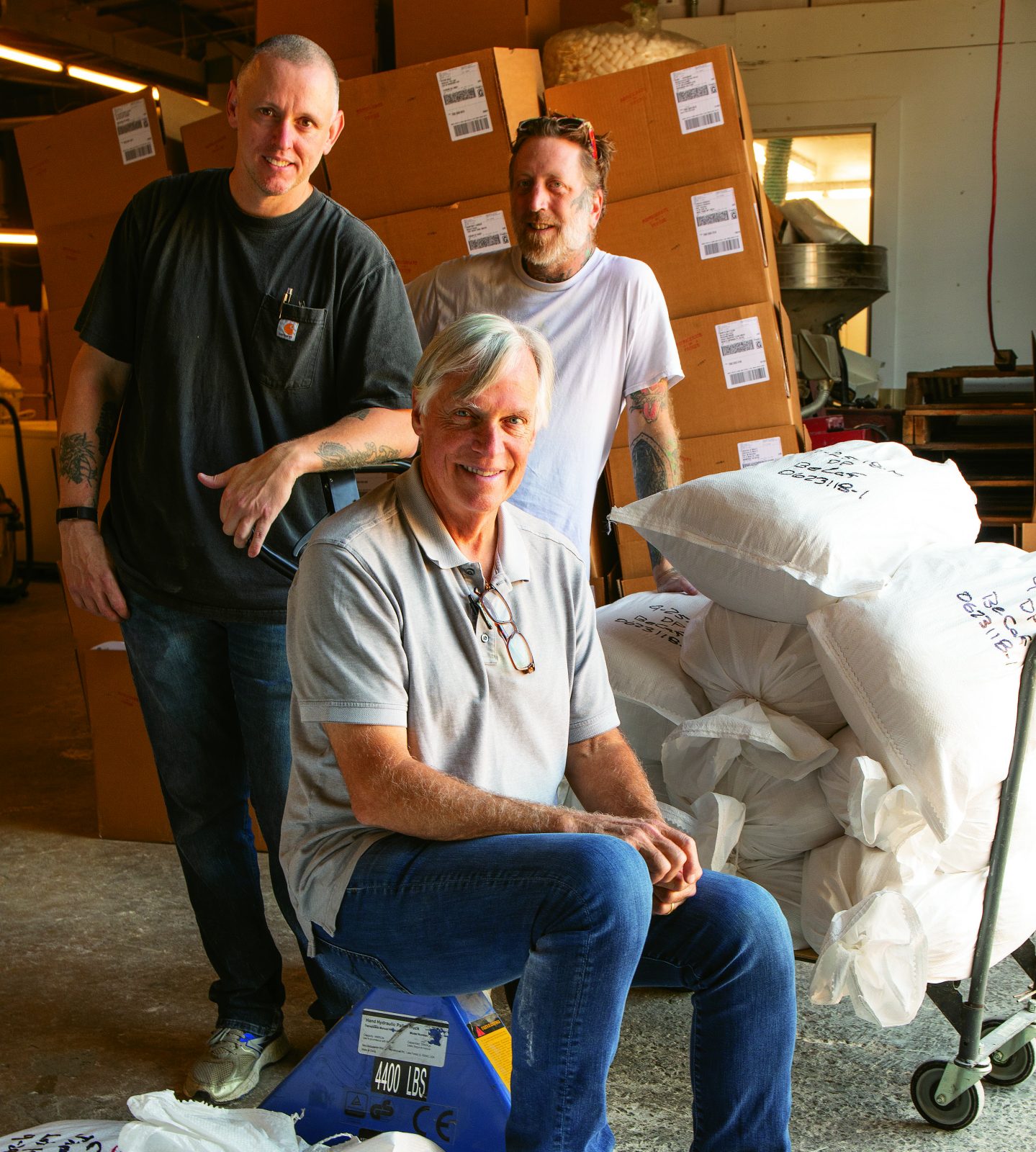
Anson Mills of Columbia, SC
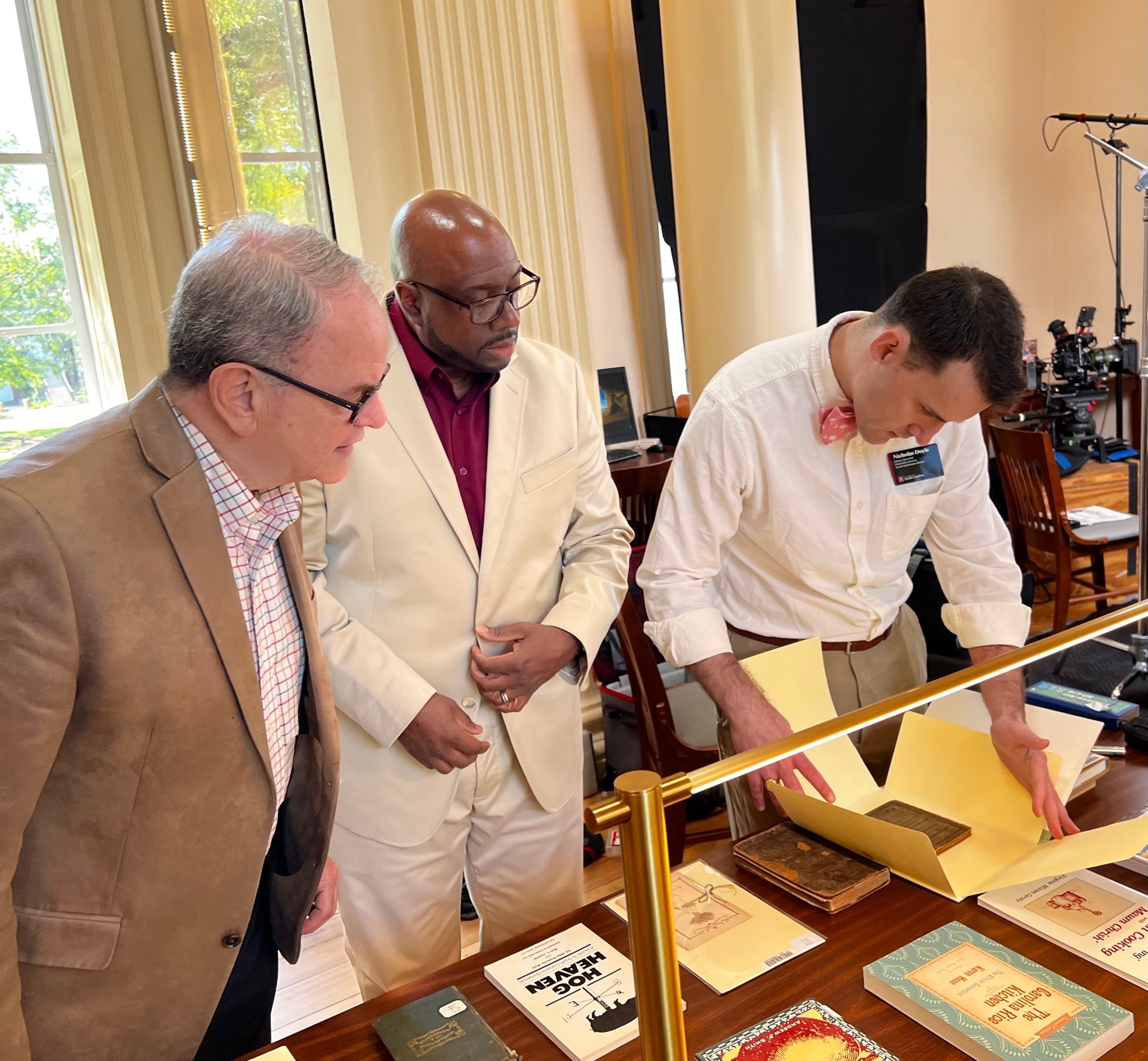
Carolina Gold Rice Foundation
By the mid-20th century, Carolina Gold had nearly vanished. The plantation economy that once made it the most valuable crop in colonial America was long gone, and the rice fields with it. Fewer than a handful of farmers still grew it. The variety that had built the Lowcountry's entire agricultural identity was on the edge of disappearing from the earth entirely.
Then a small, determined movement pulled it back. Chefs, seed scientists, and Lowcountry food advocates began tracking down surviving heirloom varieties, building seed banks, and returning Carolina Gold to the soil it had once dominated. Local farms and rice mills across South Carolina took up the work. What had nearly been lost was restored — not as a historical curiosity, but as a living crop back on restaurant menus and kitchen tables across the region.
Today
From grain to Carolina Crisp
 Heirloom grain
.svg) Heat & pressure
Heat & pressure
 Puffed crisp
 In your hands
The journey begins with Carolina Gold rice grown by Lowcountry farmers. Unlike the commodity rice used in many puffed snacks, Carolina Gold is prized for its aroma, flavor, and texture. As each grain is puffed, it transforms into a delicate crisp with a light crunch and distinctive character. Carefully seasoned to complement the grain's natural qualities, the result is a snack that lets one of America's great heirloom grains take center stage, delivering a taste of the Lowcountry in every bite.